
Unverified Allegations and Trial by Social Media: How Unethical Journalism Can Ruin Lives
Arif Rashid
The consequences of unverified reporting and social media speculation can often extend far beyond headlines, leaving lasting scars on ordinary families. One such case from South Kashmir highlights how premature conclusions and unchecked allegations can deeply affect the lives of innocent people.
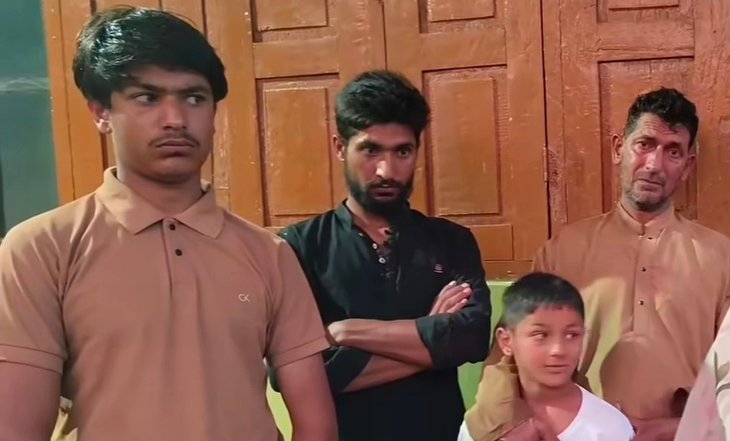
Following the death of a woman from Baliyar Marhama in December 2025, several social media platforms and self-styled journalists allegedly portrayed her husband as a suspect even before the completion of the official investigation. The allegations spread rapidly, leading to public criticism, social isolation, and emotional distress for the family.
However, according to the official police inquiry, the death was investigated through medico-legal procedures, forensic examination, witness statements, and expert opinions. The forensic report reportedly detected no poison in the viscera samples, while the final medical opinion described the cause of death as cardio-pulmonary arrest, categorizing the death as a natural one. The inquiry reportedly found no suspicious angle in the case.
Despite the official findings, the family claims that the damage caused by the earlier allegations continues to affect their lives. The husband states that his family has faced social boycott, stigma, and emotional suffering, while even matrimonial prospects for his son have allegedly been affected.
The case raises important questions about the responsibilities of media professionals and social media users. In an era of instant information, allegations made without verified facts can sometimes become a form of public trial, where individuals are judged long before investigations are completed.
Media ethics require that sensitive cases be reported with balance, accuracy, and restraint. While journalism plays a vital role in seeking truth and accountability, publishing unverified claims or presenting allegations as established facts can have serious consequences for individuals and families.
The incident serves as a reminder that every report carries a responsibility, and that facts established through due process should prevail over speculation and social media narratives.

ANN News is the first and only 24*7 Tv News Channel of Kashmir, having its headquarters at Srinagar. ANN News is available on all leading cable Networks, Also Available On JIO Tv , Vodafone,TataPlay , Candor Network, Dailyhunt and other leading Platforms