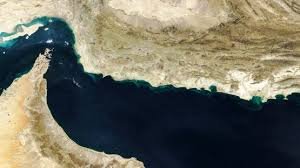
Speaking to the BBC News in Tehran, former Islamic Revolutionary Guard Corps (IRGC) commander Ebrahim Azizi described control over the waterway as an “inalienable right,” asserting that Iran will determine which vessels are allowed to pass through the strait.
Azizi revealed that a new parliamentary bill is being prepared, based on Article 110 of Iran’s constitution, addressing environmental protection, maritime safety, and national security. The proposed legislation would authorize armed forces to enforce these measures.
The remarks come amid growing global concern over the potential disruption of this crucial shipping route, through which a significant portion of the world’s oil and gas supplies transit.
According to Azizi, the ongoing regional con
flict has effectively turned the strait into a strategic pressure point for Tehran — a tool to counter its adversaries. His stance reflects a broader shift within Iran’s leadership, where hardline elements, particularly the IRGC, have gained greater influence following recent Israeli strikes that targeted high-ranking figures.
Experts say Tehran increasingly views its ability to control key maritime traffic, especially oil tankers, as both a bargaining chip in current negotiations and a long-term instrument of geopolitical leverage.