
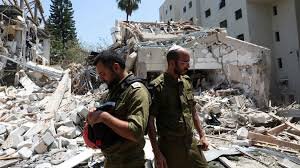
Israel Faces Heavy Financial Losses in Iran War, Costs Reach 35 Billion Shekels
ANN NEWS DESK
Israel’s ongoing war with Iran has resulted in significant financial losses, with total expenses estimated at around 35 billion shekels (approximately $11.5 billion), according to the Israeli Ministry of Finance.
Officials stated that nearly 22 billion shekels ($7.25 billion) of this amount has been spent on defense, including military operations, missile defense systems, and other security measures.
Reports indicate that these are initial estimates, and costs are expected to rise further if the conflict continues. Experts warn that the economic impact may extend beyond Israel, affecting the broader region as well.
Israeli authorities have already incorporated these expenses into the 2026 national budget, but concerns remain over increasing economic pressure and a growing budget deficit. Analysts believe that prolonged conflict places a heavy burden on any nation’s economy, with deeper consequences if tensions persist.
The Cost of War: Economic Burden of the Israel-Iran Conflict
The ongoing conflict between Israel and Iran highlights a critical reality: modern wars are not only fought on battlefields but also deeply impact national economies. The staggering figure of 35 billion shekels underscores the heavy financial strain such conflicts impose.
War does not only affect governments; it directly impacts ordinary citizens. Rising defense spending often leads to inflation, budget deficits, and reduced funding for public welfare programs, weakening the overall economic structure.
This situation is not limited to one country. Continued escalation could affect the entire region, leading to higher oil prices, disrupted global trade, and reduced investment.
The longer a war continues, the higher its cost becomes. And this cost is not only financial but also includes human lives, social stability, and future development.
At a time when the world is already dealing with inflation, energy crises, and economic uncertainty, further escalation could deepen global challenges.
The key question remains:
Is this war benefiting anyone?
History shows that while wars may bring short-term political gains, they often lead to long-term instability and economic hardship.
The cost of war is always high, while peace not only saves lives but also strengthens economies. It is time for global leadership to act wisely and prioritize dialogue over conflict.