U.S. Launches Massive Strikes on Iran as Tehran Fires Back with Missiles and Drones
By Aalimi Nation International Desk
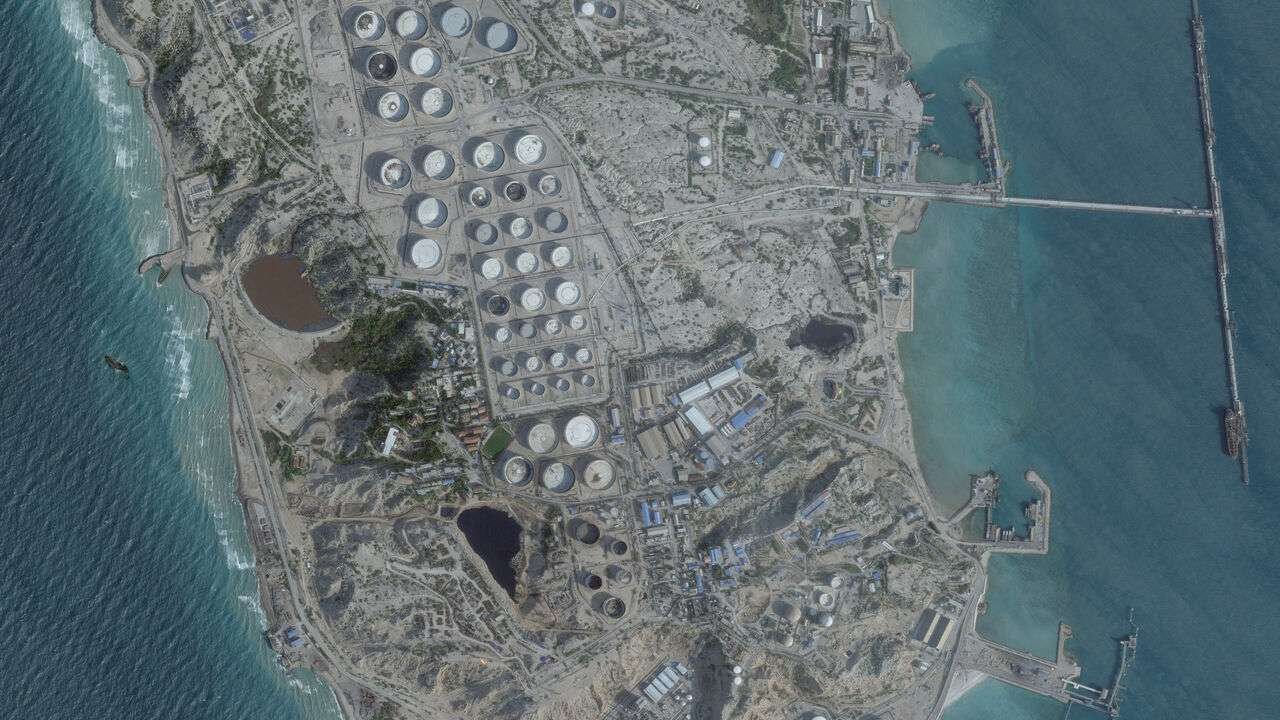
The Middle East has entered one of its most dangerous phases in decades after the United States launched a fresh wave of large-scale airstrikes on Iran, targeting approximately 140 military sites, including missile launch facilities, drone bases, naval assets, and military infrastructure. The strikes came after Washington accused Tehran of attacking commercial shipping in the Strait of Hormuz and threatening freedom of navigation through one of the world’s most strategic waterways.
Iran responded swiftly, launching missiles and drone attacks toward U.S.-aligned positions and Gulf states, including Bahrain, Qatar, Kuwait, and the UAE. Air-defense systems were activated across the region as explosions and sirens echoed through several capitals, raising fears that the conflict could expand into a full-scale regional war.
Strait of Hormuz at the Center of the Crisis
The Strait of Hormuz remains the world’s most critical oil transit route, carrying nearly one-fifth of global petroleum supplies. Any prolonged disruption could send international oil prices soaring, fuel inflation, and trigger supply-chain disruptions affecting economies worldwide.
Global shipping companies are reassessing routes, while insurance premiums for vessels operating in the Gulf have risen sharply amid growing security concerns.
A Region Under Fire
Military analysts warn that the conflict is no longer limited to the United States and Iran. With missile interceptions, drone attacks, and heightened military deployments across the Gulf, neighboring countries face increasing risks of being drawn into the confrontation.
The possibility of miscalculation remains high, particularly if attacks expand to civilian infrastructure or international shipping lanes.
Global Economic Consequences
If hostilities continue, the world economy could face severe consequences:
– Sharp increases in crude oil and natural gas prices.
– Rising inflation and transportation costs.
– Disruptions to international trade and maritime commerce.
– Increased volatility in global financial markets.
– Greater geopolitical uncertainty affecting investment and economic growth.
Countries heavily dependent on imported energy, including many in Asia, would likely experience immediate economic pressure.
Diplomatic Efforts Under Strain
Despite the military escalation, international leaders continue to call for restraint and renewed diplomacy. However, with both Washington and Tehran exchanging military strikes, hopes for an immediate de-escalation appear increasingly uncertain.
Security experts caution that unless diplomatic channels are restored quickly, the Middle East could witness one of its most dangerous security crises in recent history.
The latest exchange of strikes marks a significant escalation in an already volatile conflict. Whether the crisis remains contained or expands into a broader regional confrontation will depend on military decisions and diplomatic efforts in the days ahead.

ANN News is the first and only 24*7 Tv News Channel of Kashmir, having its headquarters at Srinagar. ANN News is available on all leading cable Networks, Also Available On JIO Tv , Vodafone,TataPlay , Candor Network, Dailyhunt and other leading Platforms