Israel, Iran trade fire despite Trump’s call for restraint
Jerusalem, Jun 8: Israel and Iran traded fire on Monday, seriously testing a fragile truce and threating hopes for a deal to end the Middle East war.
The new attacks, including a strike on an Iranian petrochemical complex, came hours after US President Donald Trump called on Israel to refrain from retaliating against Tehran’s missiles.
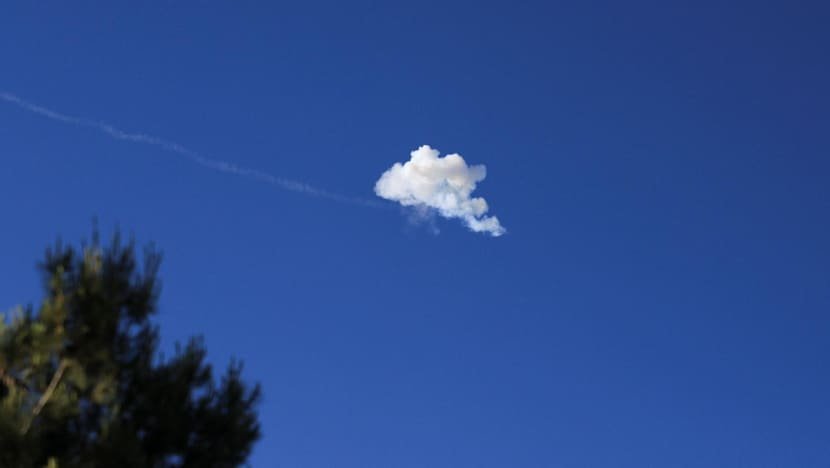
AFP journalists in Jerusalem heard a series of explosions as they took shelter and the Israeli army said it worked to intercept a new wave of Iranian missiles.
The retaliation followed Israel saying it fired on western and central Iran, tit-for-tat action against Tehran’s assault on Sunday of 11 missiles, all of which were intercepted, with no casualties.
Israel’s military and Iranian local media said Monday that Israel struck a petrochemical company in Mahshahr in southwestern Iran.
Trump had sought to rein in Israeli Prime Minister Benjamin Netanyahu, as Israel accused Tehran of making a “grave mistake”.
“I am going to call Bibi right now and tell him not to retaliate,” Trump was quoted as saying by Axios journalist Barak Ravid in a phone interview, using Netanyahu’s nickname.
“Israel had its strike and Iran had its strike. We don’t need another one,” Trump reportedly said.
In a separate interview with Fox News, Trump said: “What I would suggest to Iran: You’ve shot your missiles, that’s enough, get back to the table and make a deal.”
Ravid later posted that a US official said Trump spoke with Netanyahu, although the White House and Trump have yet to comment.
– Warning –
Tehran has insisted any deal to permanently end the war must also halt the parallel conflict in Lebanon, where Israel was pursuing a campaign against the Iran-backed movement Hezbollah.
Iranian foreign ministry spokesman Ali Safari told Al-Mayadeen television that Tehran’s strikes on Sunday came after weeks of restraint against Israeli aggression, local media reported.
Iran’s powerful Revolutionary Guards called the attack a “warning” after Israel struck Beirut’s southern suburbs earlier in the day, threatening wider strikes in the event of repeated aggression.
A separate Iranian attack targeting the headquarters of “terrorist groups” in Iraqi Kurdistan on Monday added yet more strain to hopes for a lasting peace.
The Iranian government accuses the armed Kurdish parties of serving Western or Israeli interests.
The Israeli army also said Monday it was working to intercept a missile launched from Yemen, where rebels have previously launched attacks on Israel.
On Sunday, Netanyahu’s office announced the army had “struck a militant command centre in Beirut’s Dahiyeh district, in response to Hezbollah’s fire towards Israeli territory”.
The raid killed two people and wounded 20 more, Lebanon’s health ministry said.
Israel had warned it would hit the area should Hezbollah attack northern Israel, with the Iran-backed group later confirming having launched missiles and drones at a pair of Israeli army barracks early Sunday.
Mohammad Bagher Ghalibaf, Iran’s parliament speaker and its chief negotiator in talks with Washington, accused the United States of having given a “green light” for the Beirut attack, saying US and Israeli assets were now “legitimate targets”.
The head of Iran’s military central command said Israel had “crossed all red lines” with the Beirut strike, demanding it halt its campaign in Lebanon.
“Tonight’s operation (against Israel) was a warning,” the Revolutionary Guards said. “If such aggressions are repeated, the responses will be broader and will cover all US-Zionist targets in the region.”
– ‘Gone numb’ –
The sharp escalation sent crude prices surging as hopes dimmed on any imminent reopening of the Strait of Hormuz, the crucial waterway for oil and gas transit which has been effectively shut by Iran.
Irans were also already feeling the strain of weeks of uncertainty.
“I really have gone numb,” fitness trainer Elaheh from Ahvaz told AFP.
“Daily life? It’s a joke. Everything is horrible. We only try to survive,” the 32-year-old added, pointing to rising prices.
There were some weekend signs of ongoing diplomatic efforts, with Pakistan Interior Minister Mohsin Naqvi visiting Tehran.
Naqvi said upon his arrival Saturday that he would deliver a “special letter” from Pakistan’s army chief to Iran’s supreme leader, as well as a message from the prime minister, according to Iranian state television.
Pakistani military leader Syed Asim Munir has played a key role in mediating between Iran and the US following an initial round of direct negotiations in Islamabad.
Mohsen Rezaei, military adviser to Iranian supreme leader Ayatollah Mojtaba Khamenei, had told CNN negotiations with the United States “are at a deadlock, and Trump must break this deadlock”, calling for the release of some $24 billion in frozen Iranian assets.
But Trump said he would not unfreeze Iranian assets before reaching an initial agreement with Tehran, telling NBC on Sunday: “If they behave, if they do a good job, we start talking”. (AFP)

ANN News is the first and only 24*7 Tv News Channel of Kashmir, having its headquarters at Srinagar. ANN News is available on all leading cable Networks, Also Available On JIO Tv , Vodafone,TataPlay , Candor Network, Dailyhunt and other leading Platforms